
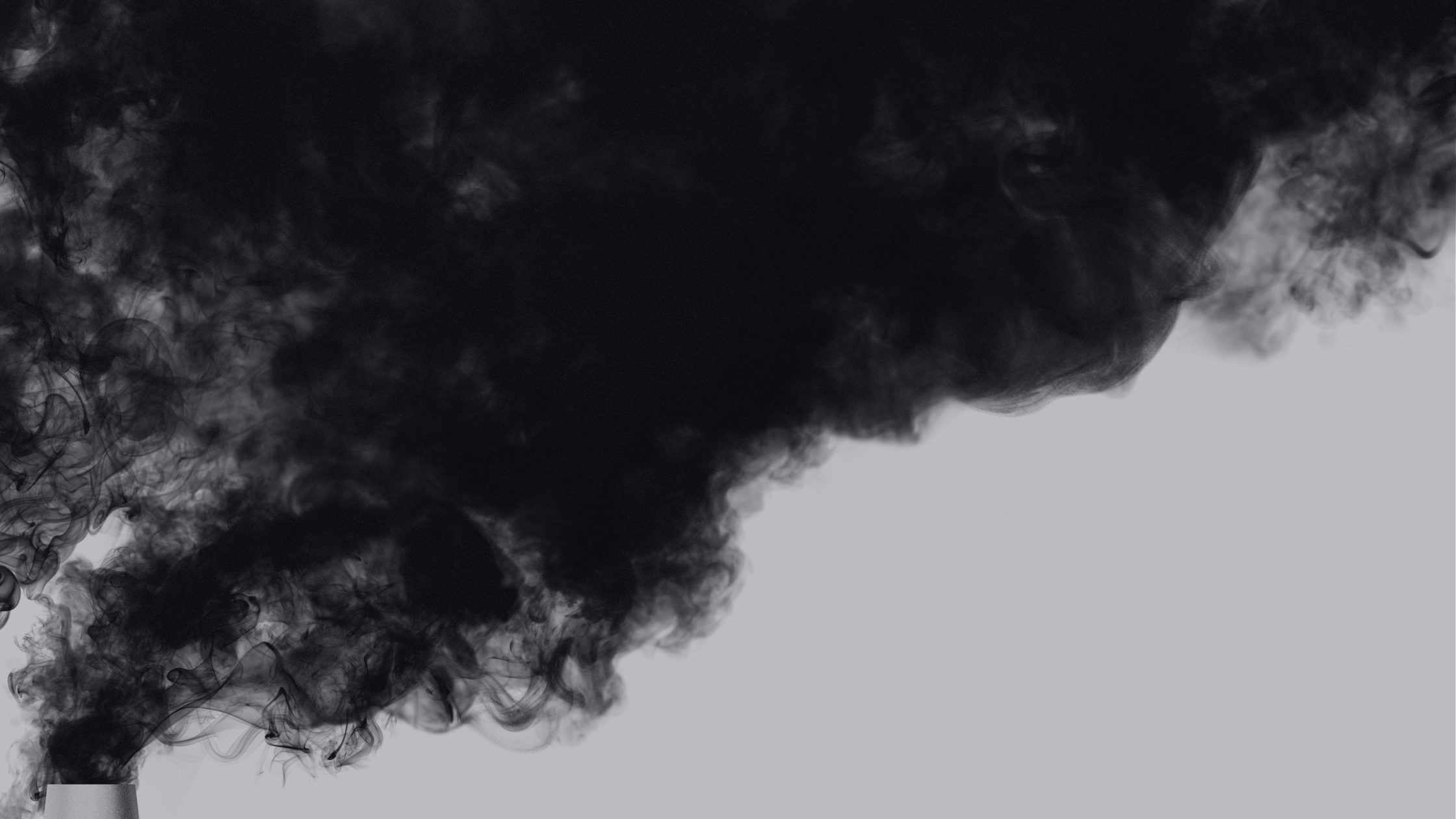
Every other signal in this series gives you something to notice: a smell, a stuffy room, a sticky afternoon. Carbon monoxide gives you nothing. And that's exactly what makes it dangerous.
Nothing. No smell, no color, no warning. People can't sense it, which means there's no “this feels off” moment to act on. That absence is the entire problem.
Carbon monoxide (CO) is a colorless, odorless gas produced by combustion. In a building, that means sources like boilers, furnaces, and enclosed parking garages. When something malfunctions or ventilation fails, CO can accumulate in occupied spaces with zero sensory warning.
This is the one signal in the series that isn't about comfort, productivity, or long-term wellbeing. It's an immediate safety risk, and at high enough levels, it can be life-threatening. There's no gradual “people feel a bit off and complain” early-warning stage the way there is with CO₂ or VOCs. The first sign of a serious CO problem can be a medical emergency. For a property or facility manager, that also makes it a serious liability concern.
With CO, monitoring isn't a nice-to-haveinsight. It's a safety net:
· Get immediate alerts. The moment levels begin to rise, the right people know, automatically, day or night.
· Protect occupants and reduce liability. Demonstrable, continuous monitoring is both genuinely protective and a meaningful piece of due diligence.
· Stay aligned with safety requirements. Continuous data helps you keep pace with the safety expectations placed on your building.
There isn't much nuance to add here, and that's the point. CO is the signal where “we'll deal with it when someone notices” simply isn't an option, because by design, no one will notice until it's an emergency. Monitoring is the only form of early warning that exists.
Next up: Differential Pressure: When Air Goes Where It Shouldn't

Join the WellStat Community and never miss out on the latest news, updates, and exclusive content!
Subscribe.png)
.png)
.svg)
.png)
.png)
.png)