
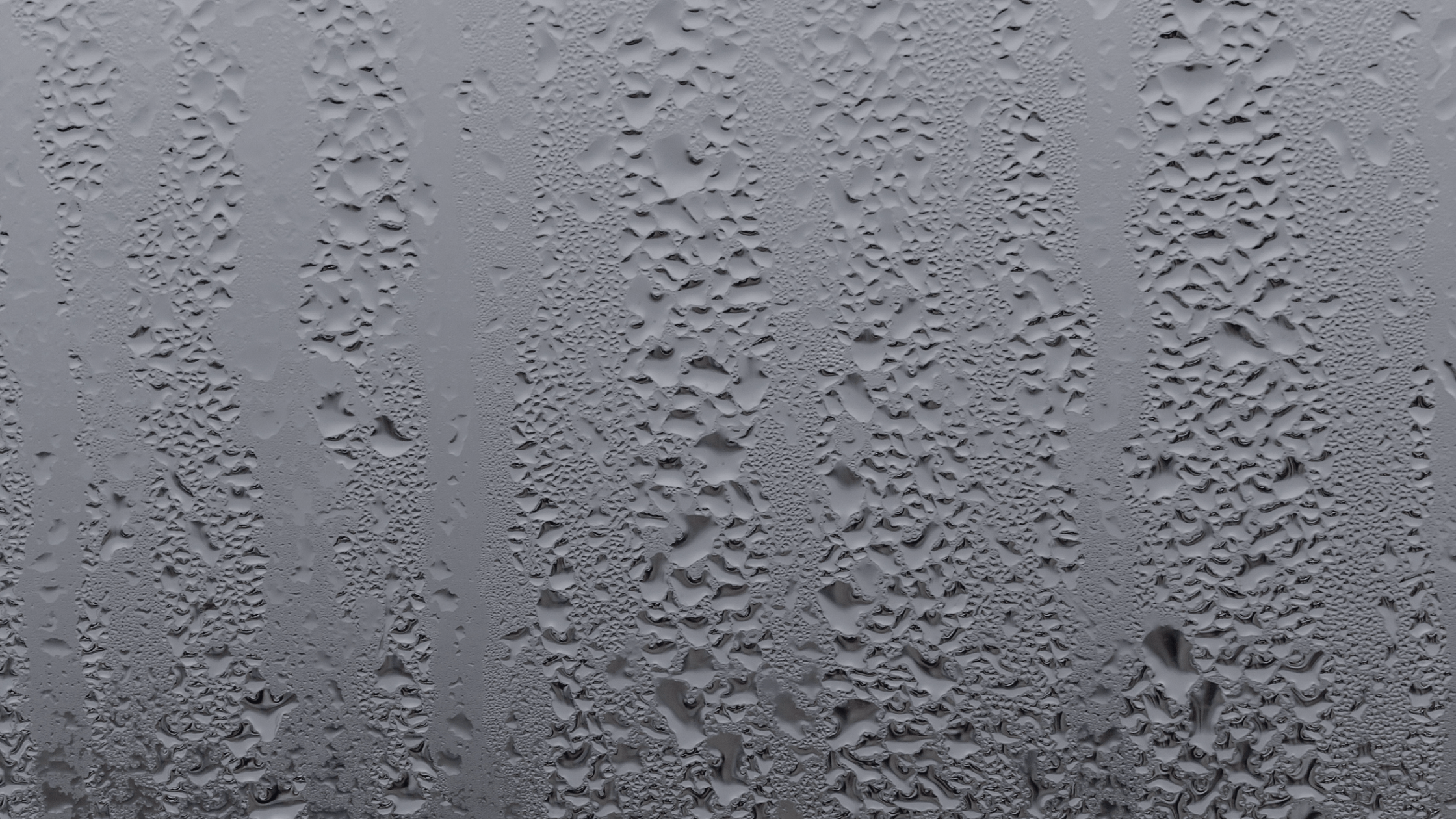
Humidity is the Goldilocks signal. Too little and your building feels parched and uncomfortable. Too much and it feels clammy, and you've started a slow countdown to a mold problem. The sweet spot is narrower than most people think.
When it's too dry, people complain of discomfort: dry eyes, scratchy throats, static everywhere. When it's too humid, the space feels sticky and heavy, condensation appears, and that musty smell starts creeping into corners.
The air has drifted outside the optimal range of roughly 40 to 60 percent relative humidity. That band isn't arbitrary. It's where comfort, health, and building protection all line up.
Humidity affects far more than comfort. Both very low and very high humidity are associated with increased virus transmission, which is why that 40 to 60 percent window matters for occupant health, not just how a room feels. And sustained high humidity creates real mold risk, the kind that turns into a remediation project, a tenant dispute, and a line item nobody budgeted for. Mold rarely announces itself early. By the time you can see or smell it, it's been developing behind the scenes for a while.
Continuous humidity monitoring lets youmanage that narrow safe zone with confidence:
· Stay in the band. Catch drift toward “too dry” or “too humid” early, before anyone files a complaint.
· Prevent mold before it starts. Spot the sustained-high-humidity conditions that lead to mold, and act while it's still a ventilation tweak rather than a removal job.
· Stop overcooling to dehumidify. A common, expensive habit is cranking the cooling just to pull moisture out of the air. Humidity data lets you manage moisture directly, and stop paying for the workaround.
That last point quietly saves money. Plenty of buildings run their cooling harder than they need to, purely to fight humidity. When you can see the actual moisture level, you can solve the real problem instead of brute-forcing it through the energy bill.
Next up: Carbon Monoxide: The Silent One

Join the WellStat Community and never miss out on the latest news, updates, and exclusive content!
Subscribe.png)
.png)
.svg)
.png)
.png)
.png)